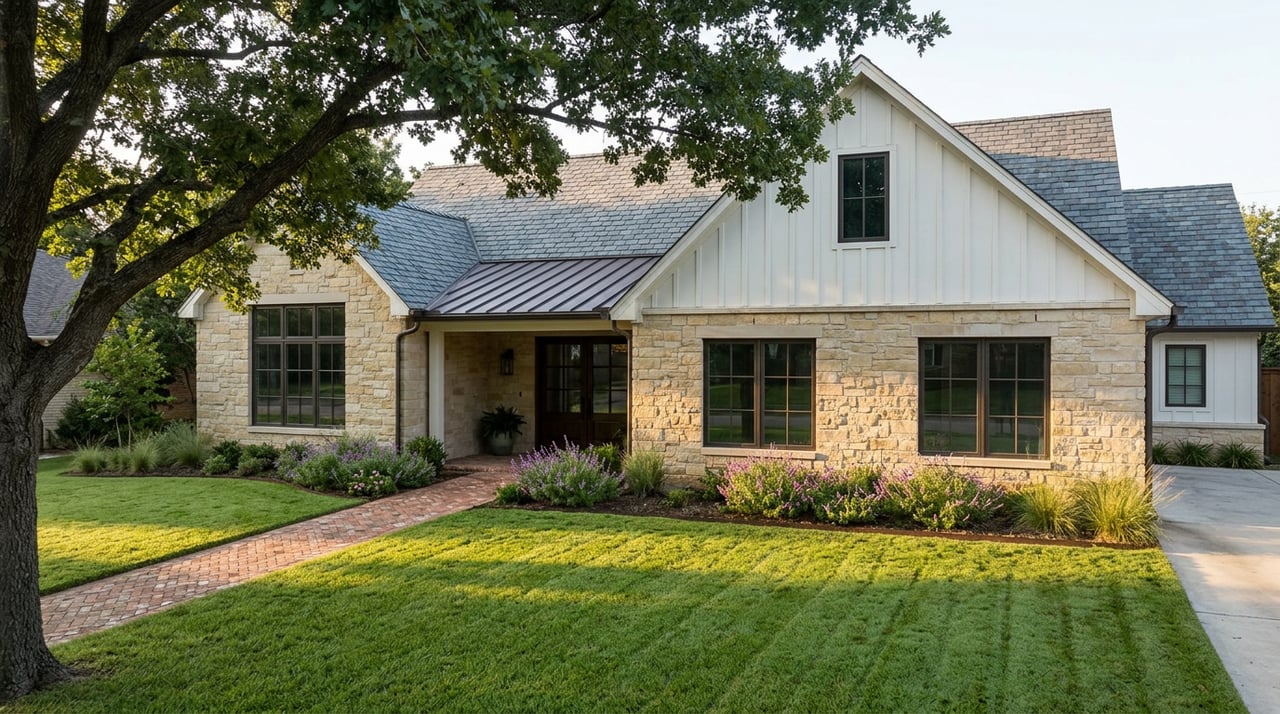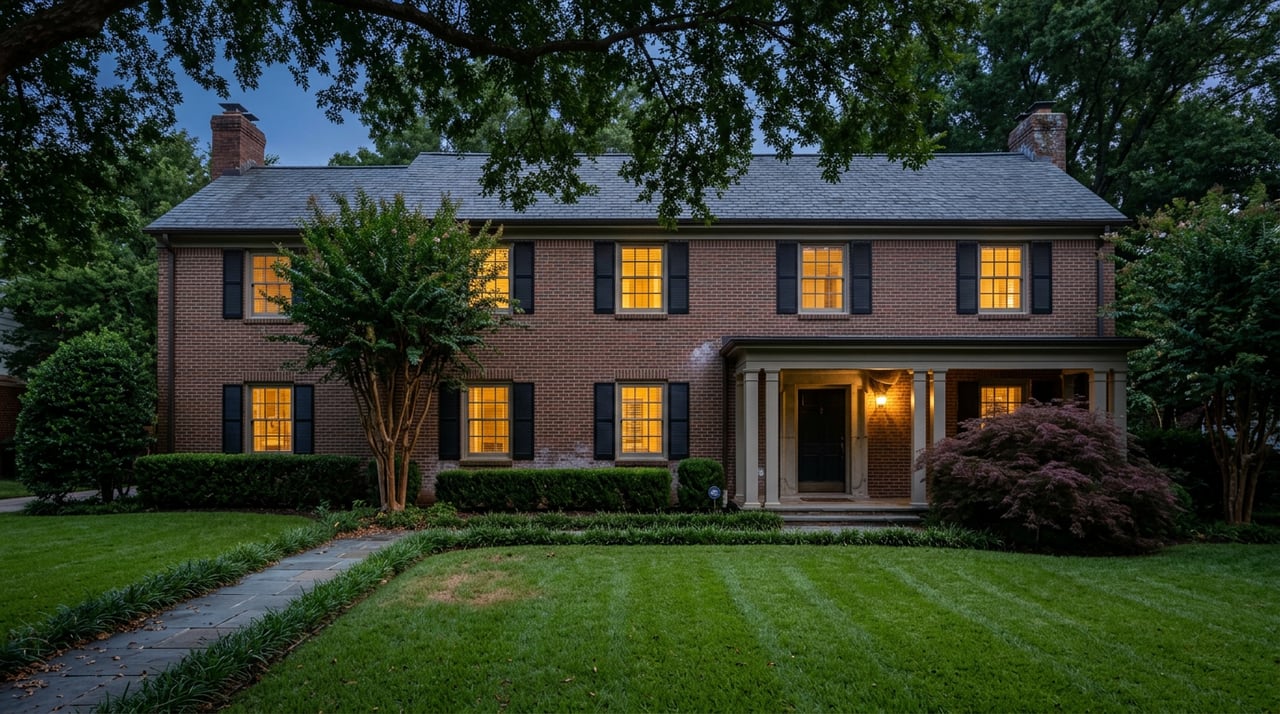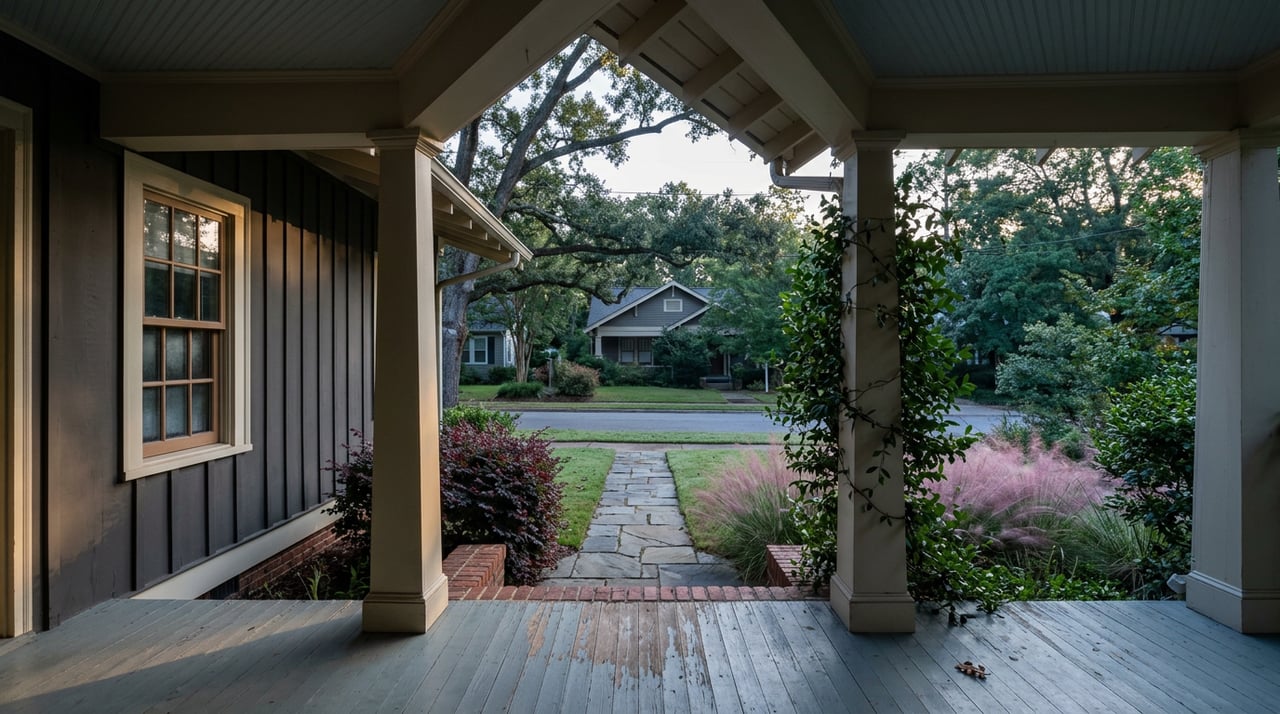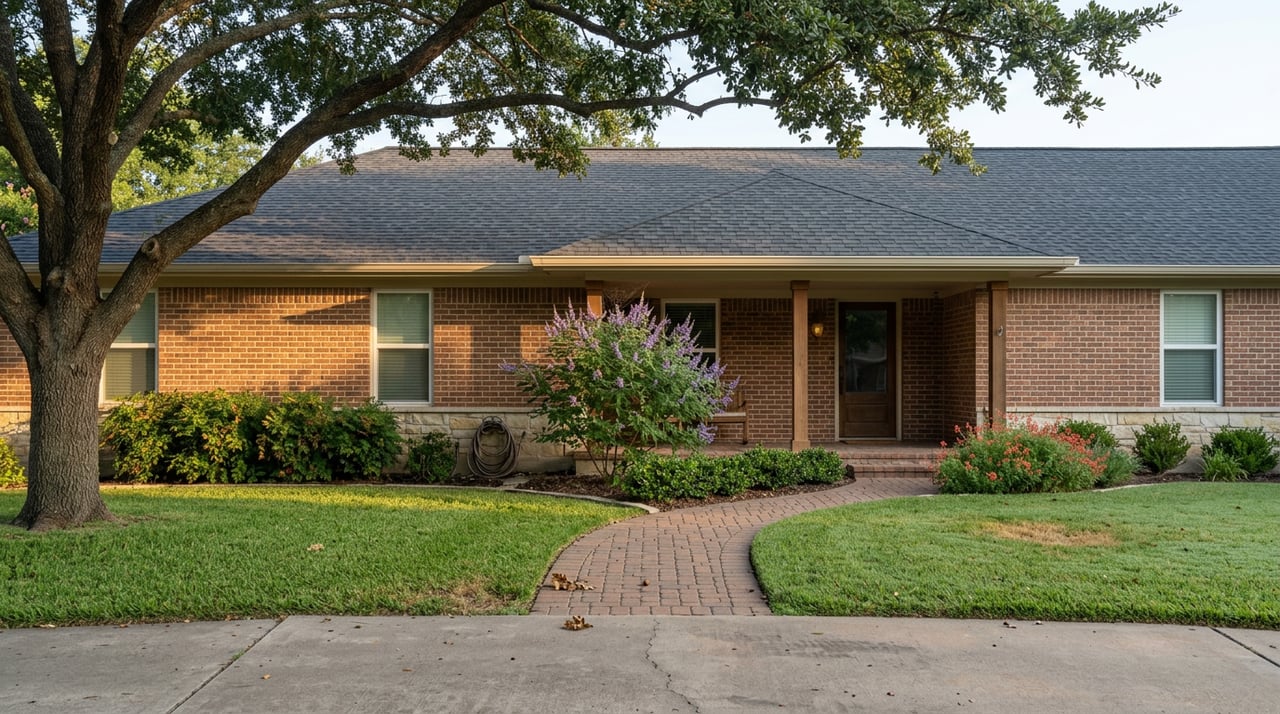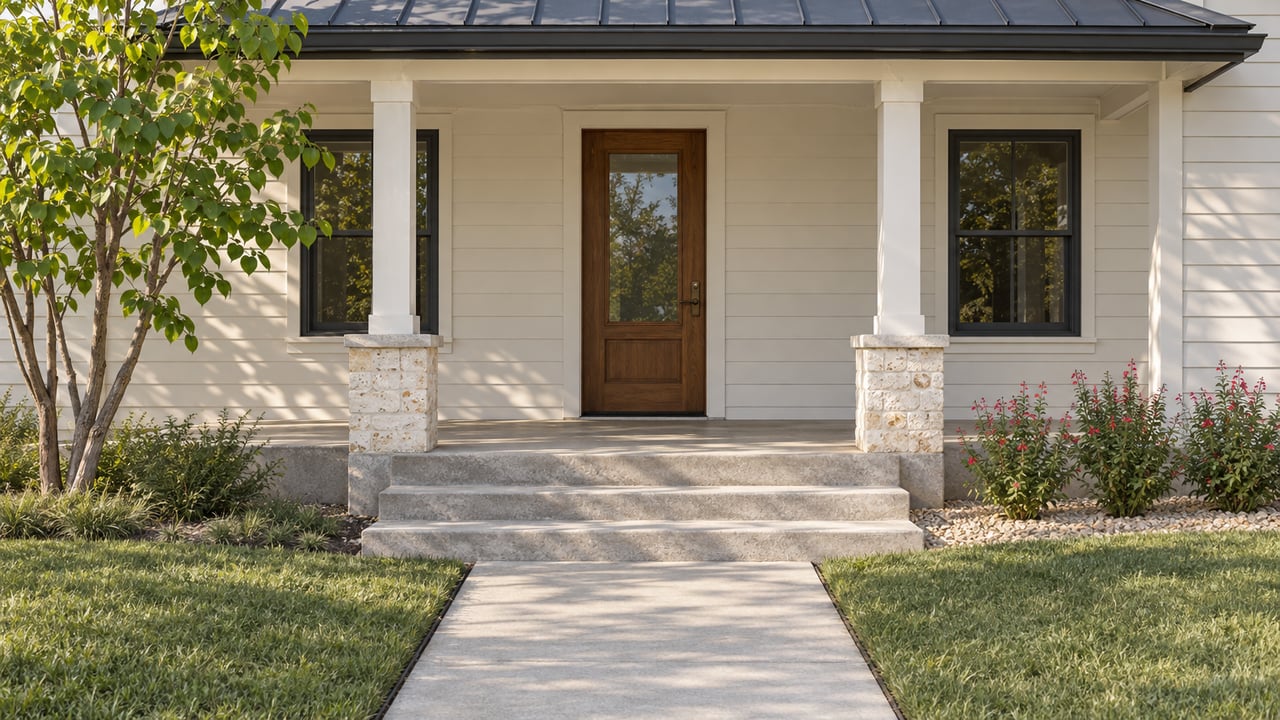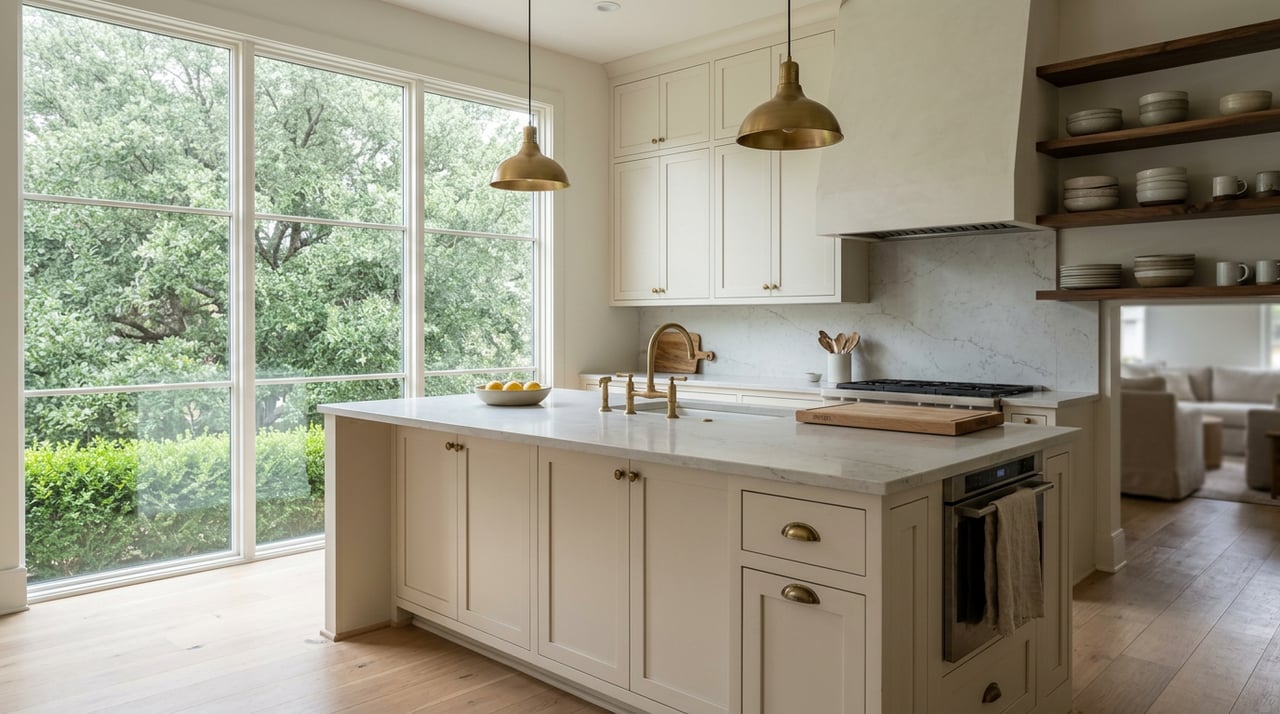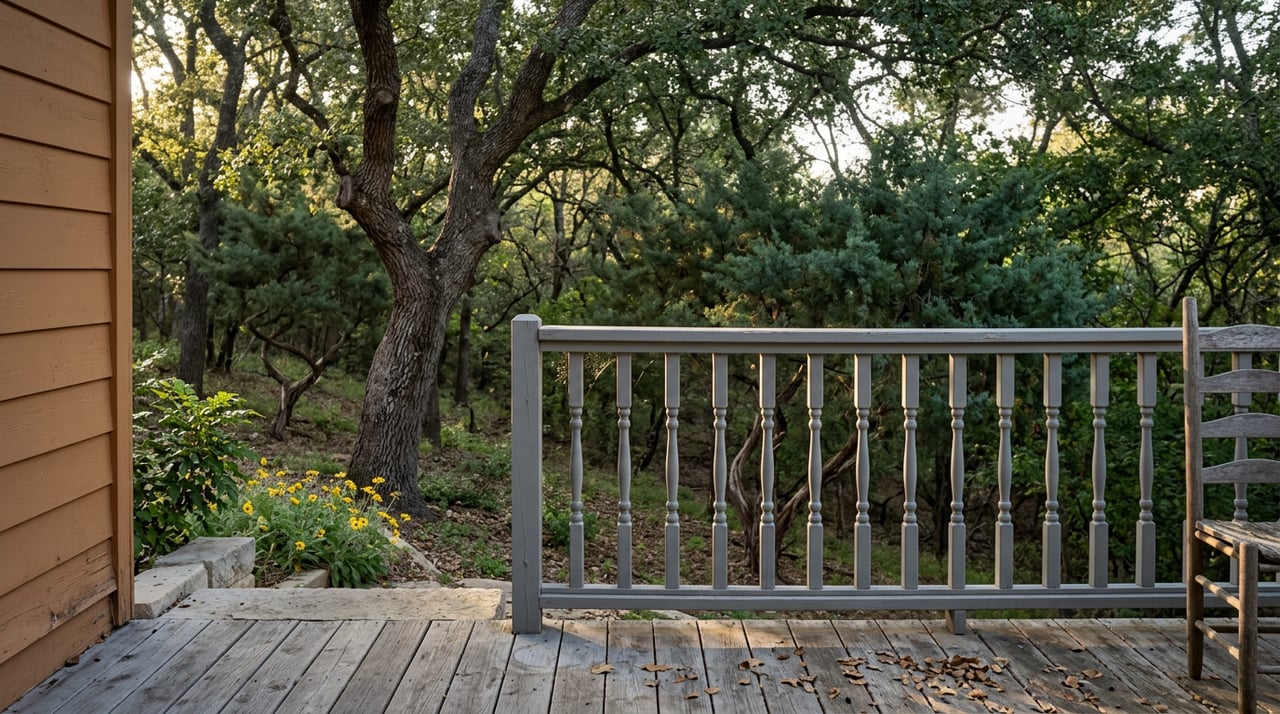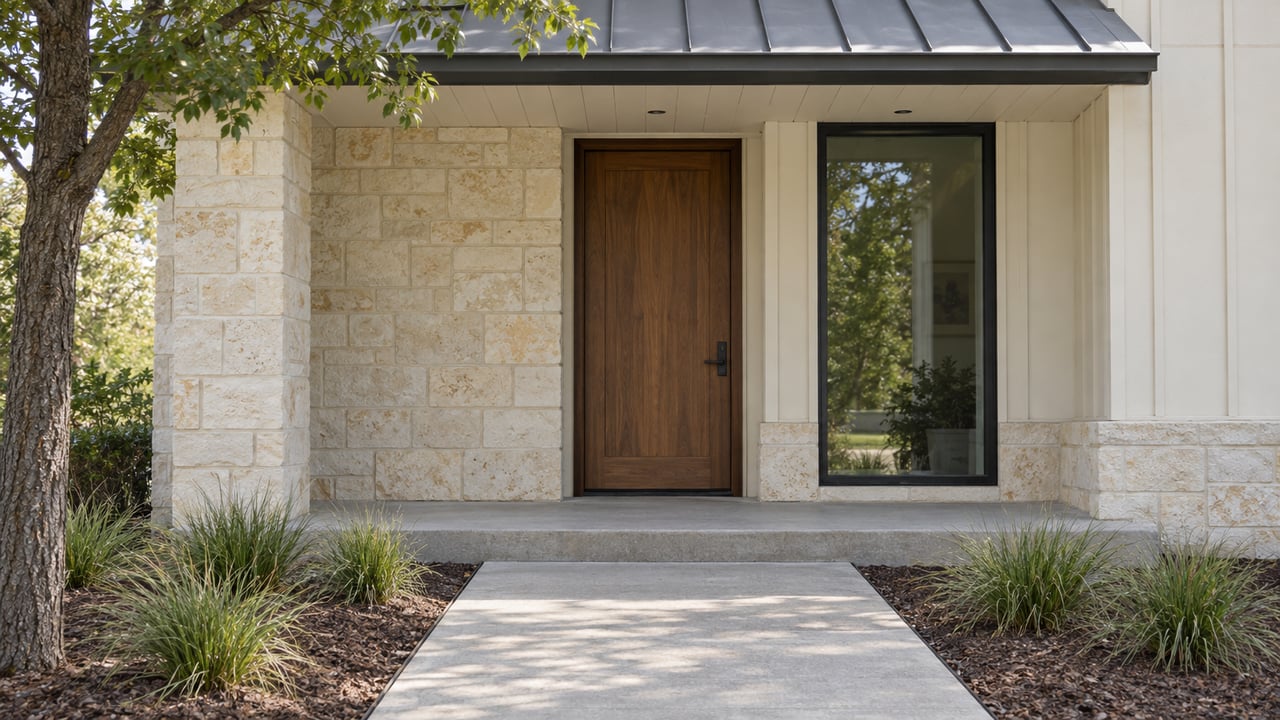
A buyer sits down with two portal tabs open. One says Rollingwood, median somewhere around $1.8 million. The other says Westlake Hills, median closer to $2.4 million. The instinct is obvious: Rollingwood is the value play, Westlake Hills is the reach. Pick your budget and move on.
That instinct is backwards. Look at price per square foot instead of the headline median, and the two cities swap places. As of the second quarter of 2026, Rollingwood was running around $897 per square foot while Westlake Hills sat closer to $655. The city with the lower median is the more expensive one, once you account for what you actually get for the money. If you're choosing between these two West Austin cities based on the number a portal puts in bold at the top of the page, you're comparing the wrong thing.
The Square-Foot Number That Flips the Story
Here's the honest version of what's happening in both markets right now.
| Rollingwood | Westlake Hills | |
|---|---|---|
| Median price (Q1 2026 report) | ~$1.8M | ~$2.4M |
| Price per square foot (Q2 2026) | ~$897 | ~$655 |
| Entry point | ~$1.1M, original condition | ~$1.2M, Lost Creek |
| New construction range | $2M–$4M | $3M–$8M+ |
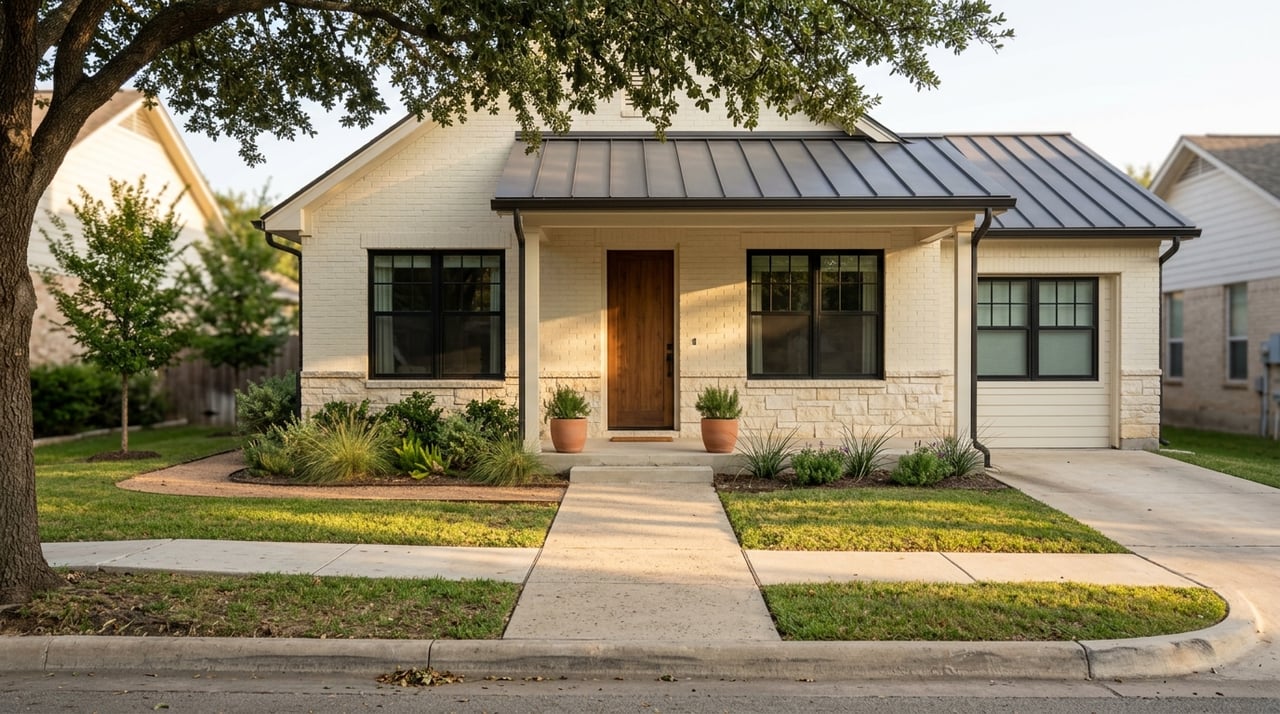
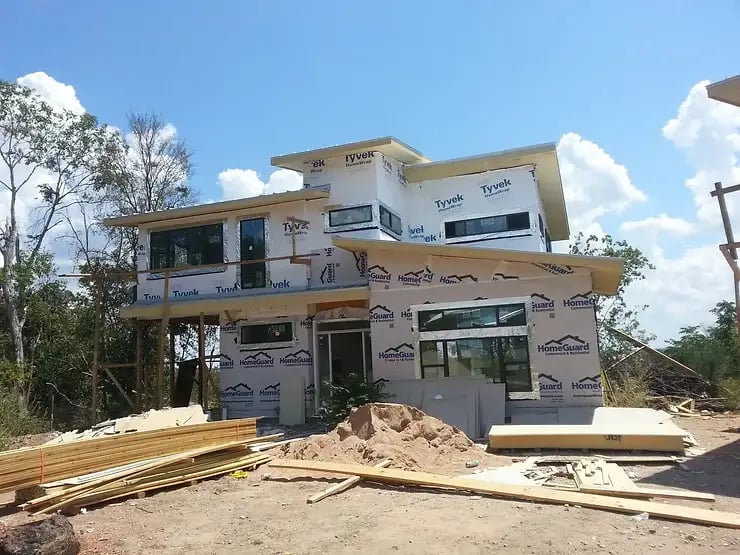
Rollingwood is small, about 1.1 square miles and roughly 1,600 residents, with mostly flat lots and a teardown-rebuild cycle that's been running hard. Buyers who want new construction in Rollingwood are usually buying a lot, not a house, and building on a compact, predictable footprint. That drives the per-square-foot number up even as the total price on any given sale stays lower simply because the homes themselves are smaller.
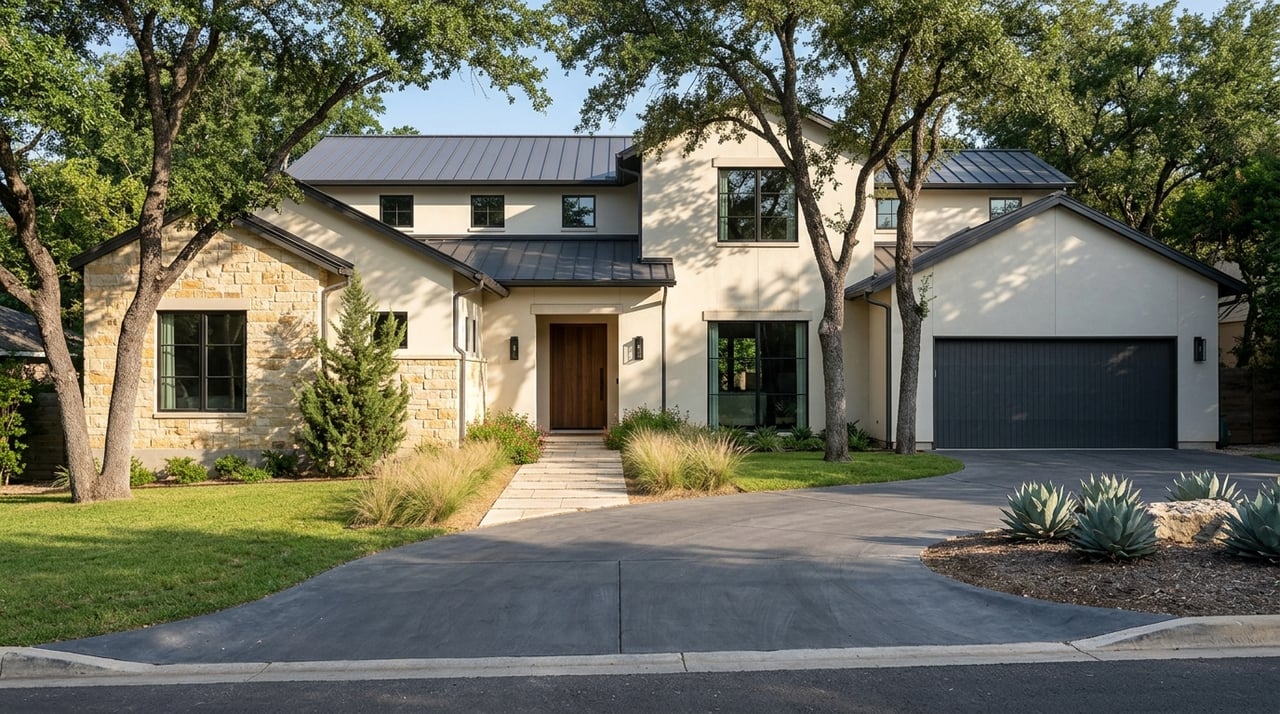
Westlake Hills covers more ground, roughly 3,400 residents spread across hillier terrain with larger lots, some running to estate size with Hill Country or downtown views. The land absorbs cost that never shows up in the square footage. A $3 million Westlake Hills home might sit on a lot three times the size of a $2 million Rollingwood home, which pulls its per-foot number down even though the total check written at closing is bigger.
Neither number is wrong. They're measuring different things. A buyer who wants efficient, walkable, predictable construction costs is better served asking about Rollingwood's per-foot pricing. A buyer who wants land, privacy, and a view is better served asking what an acre costs in Westlake Hills, because the median won't answer that question either.
One more wrinkle worth sitting with: a separate first-quarter accounting for Westlake Hills alone put its median closer to $1.9 million, not $2.4 million. Two reports, same quarter, nearly half a million dollars apart. With populations this small, a handful of unusual sales can swing a median by hundreds of thousands of dollars in either direction. Treat any single median you see quoted for either city as a snapshot, not a fact carved in stone.
One Street Can Cost You $200,000
Both cities share a ZIP code, 78746, and both feed into Eanes ISD. That's usually where the comparison stops. It shouldn't.
The Eanes ISD boundary runs along MoPac, and it does not track city limits or ZIP code lines. Crossing one street east of that boundary can drop an otherwise comparable home's value by $200,000 to $400,000, according to current market data for the area. That means two houses that look identical on paper, same size, same age, same finishes, can carry a six-figure gap depending on which side of a specific street they sit on.
If you're comparing Rollingwood and Westlake Hills as if they're single, uniform markets, you're missing the fact that both cities have internal boundaries that matter more than the city line itself. The only way to know for certain whether a specific address falls inside Eanes ISD is to verify it directly against the district's own boundary maps at eanesisd.net, not to assume based on the neighborhood name a listing uses.
Public Inventory and Private Listings
Public inventory figures are one source of information about activity in these neighborhoods.
Months of supply in Westlake Hills was running elevated, around 9.0, in an early 2026 market report. On a normal Austin-area chart, that number would suggest a buyer's market, softening prices, room to negotiate. In Westlake Hills and Rollingwood, public inventory figures may not include homes marketed privately.
Some sellers in this segment withdraw listings rather than reduce the price, and homes may be discussed privately between agents as off-MLS listings. Those listings do not generate a public days-on-market clock. Public inventory numbers on portals are therefore incomplete; they do not include all homes marketed privately.
An agent with relationships in this specific micro-market may know about homes marketed privately that do not appear in portal alerts or saved searches.
What's Moving the Market Right Now
Two concrete developments are worth tracking if you're actively comparing these cities this year.
The first is infrastructure. On April 22, 2026, West Lake Hills and Rollingwood jointly sent a letter of conditional support to the Central Texas Regional Mobility Authority for the MoPac South project, specifically a proposed diverging diamond interchange at MoPac and Bee Cave Road. According to West Lake Hills Mayor James Vaughan, the design is projected to reduce peak-hour delays by 48 to 58 percent, with westbound delays cut by as much as 57 to 83 percent. At the time of that April letter, the interchange itself was still listed as pending funding coordination with local municipalities, and both cities made their support conditional on the interchange being fully funded and on traffic noise barriers extending to the Rollingwood side of the highway. Community Impact reported that the public comment period on the draft environmental assessment closed May 3, 2026, with the next step being a Mobility Authority review before design and construction funding can move forward. If you commute through this corridor daily, this is a funding decision worth following regardless of which city you end up choosing.
The second is new supply. Undeveloped land in Westlake Hills is scarce enough that new construction of any scale is genuinely rare. That's what makes The Overlook at Westlake notable: a planned community of 48 new luxury homes priced from $2.85 million to $5 million, with move-ins expected late in 2026. For a buyer who wants new construction but has been told repeatedly that there's simply no land left in Westlake Hills, this is the counterexample, though at a price point that puts it firmly in the estate tier rather than the entry point.
What This Means If You're Touring This Month
If you're standing in a home in either city this month, the number on the listing sheet is the least useful thing in the room. Ask what the lot actually costs versus what the structure costs, since that ratio is what's really driving the per-foot gap between these two cities. Verify the Eanes ISD boundary for the specific address, not the neighborhood. And ask your agent whether they know of anything comparable that hasn't hit the MLS yet, because in this price tier, the answer to that question matters more than any chart.
FAQ
Is Westlake Hills always more expensive than Rollingwood? Not by every measure. Westlake Hills carries a higher median and a higher price ceiling due to larger lots and estate-sized properties, but Rollingwood has run higher on a price-per-square-foot basis as of Q2 2026, driven by its teardown-rebuild activity on smaller, flatter lots.
Does living in 78746 guarantee Eanes ISD schools? No. The Eanes ISD boundary follows MoPac and specific street lines rather than ZIP code or city limits, so two homes in the same city can fall on opposite sides of the district line. Always confirm a specific address against the district's boundary maps rather than assuming based on the listing's city or ZIP.
Why might public inventory figures not show all activity in Westlake Hills? Public inventory figures may not include homes marketed privately. Some listings are withdrawn rather than repriced, and off-MLS discussions may not appear in portal totals, so the public figures may not capture all market activity.
Comparing these two cities takes more than a portal search and a calculator. If you want to talk through what a specific street, a specific lot, or a specific school boundary actually means for your search, Heart of Austin knows this corridor block by block and can help you see past the median to the number that actually applies to you.