For or against, the adventures in the Middle East are indirectly impacting your mortgage. I'm going to take you on a trip around the oil lanes of the world to suggest how oil and politics are impacting housing in some surprising ways. Each of these is a deep topic on their own in its own right, but I am going to do my best to make them into geopolitical chicken nuggets with a side of interest rate ranch.
Oil Supply Squeeze times three
1) The daily consumption of oil around the world, pre-war is about 100Mbpd (million barrels per day). The strait of Hormuz has something to do with about 20M of those barrels and chokes the supply for everyone. Since oil is a global commodity even if we have refined oil down the street in Houston, Chevron is still going to sell to the highest bidder, sorry your gas just went somewhere else. The west and its allies are trying to get around this by using a variety of pipelines that bypass the strait of Hormuz. The largest is the east west pipeline which puts oil out into the Red Sea to the tune of 5Mbpd, and the route to Asia runs past the Houthis, so tankers go the long way.
This provides some relief, but this pipeline has also been attacked and may not be operating at its maximum throughput.
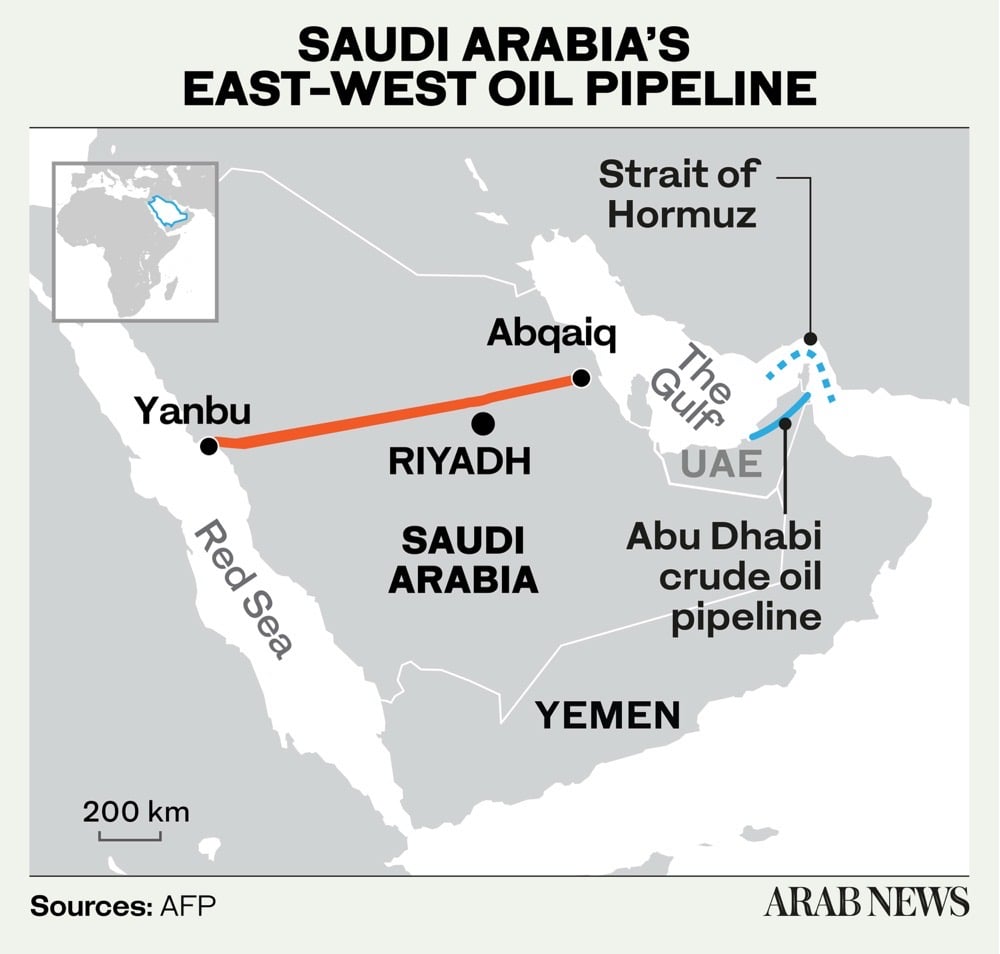
2) This oil also has to go around Africa instead of past Yemen because Houthis have a pastime of shooting at any tanker going through the Bab al-Mandab strait which is that other tiny choke point at the southern end of the Red Sea. Much of this oil is destined for Asia, so a trip that used to take 19 days now takes 49 days. This is the equivalent of removing almost 2 out of every 3 tankers that used to send oil to Asia from the Middle East.
3) If you listen to Trump's latest posts about oil prices, it's all about Ukraine hitting Russian refineries. While yes this is true, the total refining capacity of Russia compared to the rest of the world is 6% at best and their production hasn't been dropped to zero, but perhaps to 3%. So yes it is a factor, but not as significant as 1 or 2.
Diesel
This is the fuel of transportation and heavy equipment. As you may have seen on news headlines, it's gotten expensive. I last saw it near $6/gallon here in Austin. It's $8.36 per gallon in California as of October 6th, 2026. This makes everything that has to be moved, dug, or poured more expensive. Lumber, concrete, parts, shipping, it all will cost a little more. This is definitely inflationary no matter how you look at it. All of the oil shocks mentioned above will continue to drive this cost and thus everything else.
Interest Rates
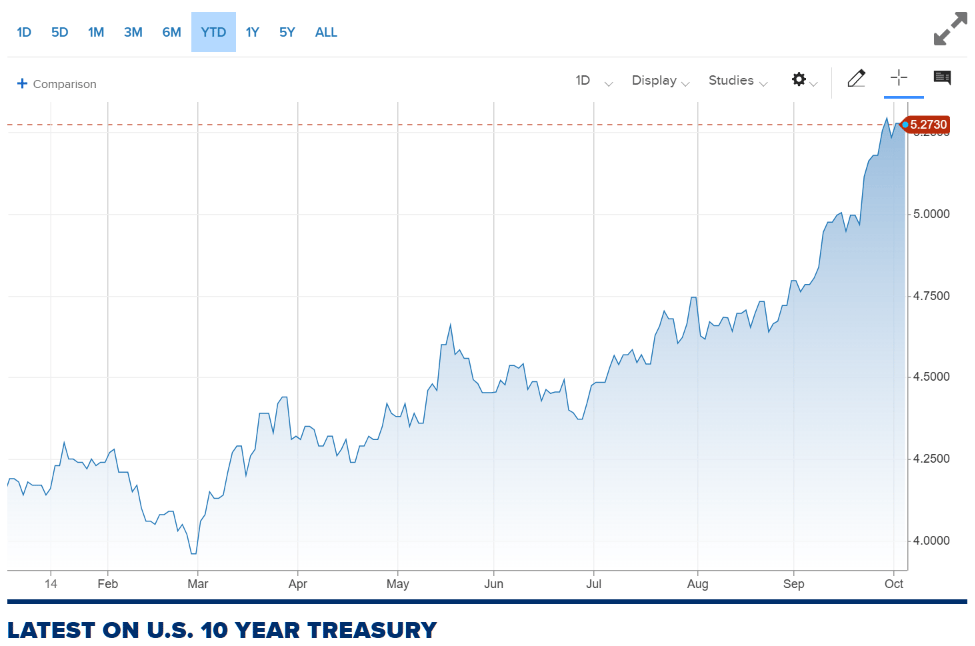
Inflation means higher rates as long as the Fed still operates on that pattern. They just hiked rates by a meager quarter point on September 16, 2026. More importantly though is the bond market which has shown a very fast uptick in the 10-year treasury over a full point in just the last few months. This is very likely a response to US spending both in our fiscal budget and war spending in Iran. With oil driven inflation, war spending, and heavy deficit congressional spending, investors are demanding a higher yield on US Treasuries. This will be further compounded by US treasuries rolling to higher rates makes US borrowing costlier and harder to sell, so the tunnel in this respect appears to be getting darker not lighter.
Investor Pullback
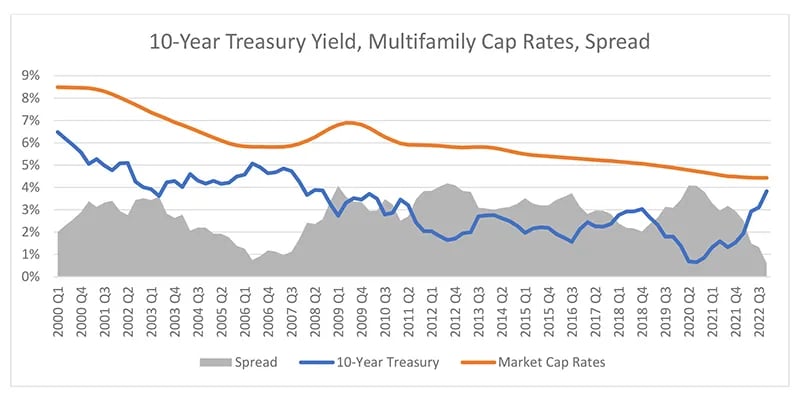
With US treasuries now yielding over 5%, they are about to pass an interesting threshold, median cap rates on multi-family real estate. Risk-free returns beat landlord headaches, so some investors may decide that tiny difference between a 10 year treasury and the return on their asset is not worth it. This could dump more inventory on the market and increase downward pricing pressure.
Where to from here?
Less oil -> inflationary -> higher bond yields -> more selling pressure from multi-family real estate and higher 30 year mortgage rates all align with pushing housing prices lower. This certainly helps affordability, but it is also somewhat canceled out by the increased cost of borrowing. Do rates climb faster than prices fall?
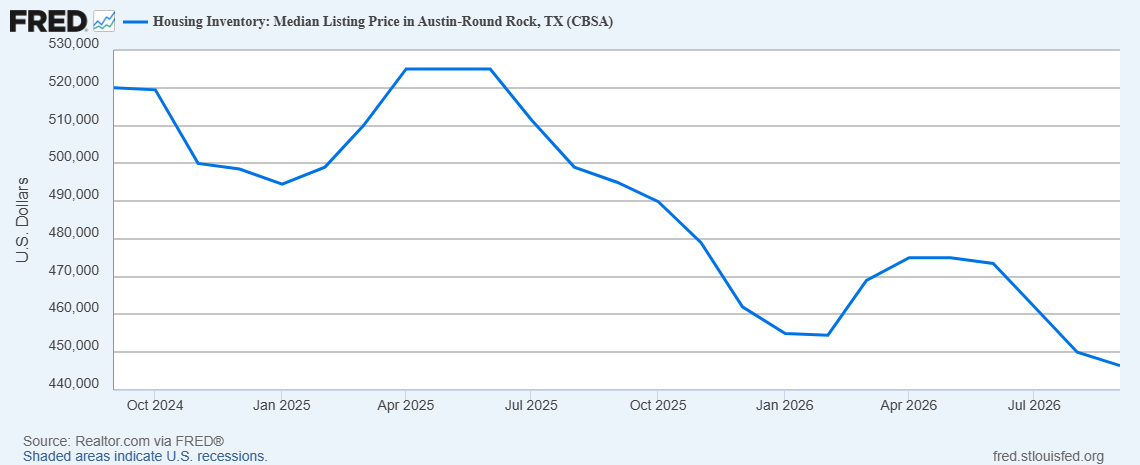
The median home price in the Austin Round Rock metro has fallen from $520,000 to $445,000. In September of 2025, the median 30 year mortgage was 6.32%. Today it is 7.34%. If we use a simple 20% down metric, this time last year looked like:
Last Year
Amount Down: $104,000
Loan Size: $416,000
Principal + Interest: $2,580 (6.32% Loan, 30 year amortization)
Today
Amount Down: $89,000
Loan Size: $356,000
Principal + Interest: $2,450 (7.34% Loan, 30 year amortization)
So even with higher rates today, it actually looks more affordable with less cash required to get into the same house and a slightly lower monthly payment and a smaller loan. There are silver linings after all.